
Portland is known for its commitment to sustainability and environmental responsibility. The Rose City is consistently ranked at the top of media lists of the greenest cities in the US. That’s because, in Portland and SW Washington, we know how fortunate we are to live in close proximity to so much natural beauty. Most of us want to do our part to preserve the health of our environment.
Sustainable landscaping is all about creating and maintaining outdoor spaces that reduce waste, conserve resources, support biodiversity, and make our environment healthier and more beautiful in the long run.
Our approach to sustainable landscaping is always growing and evolving as we acquire new research and learn new techniques. We’re bringing you our top 8 innovations in sustainable landscaping.

1. Soil Health and Erosion Control
Healthy soil is essential. It provides nutrition and structural support to plants and works as a filter to keep local waterways clean. In many ways, soil can be seen as the foundation of a sustainable landscape. Research also suggests that healthy soil can help combat the impacts of climate change by naturally removing carbon dioxide from the air.
You can promote soil health in your landscape by composting and mulching. This helps keep your soil rich in nutrients and moisture. It also reduces the need for chemical fertilizers and encourages healthy plant growth.
More focus has been placed on soil health and erosion control in recent years. Erosion describes the process of natural surfaces (including rock and soil) being broken down by moisture and wind.
Erosion-control typically involves directing water away from vulnerable areas. Some examples include:
- Rain gardens
- Swales
- French drains
- Retaining walls
- Terraced gardens
- Ground covers
2. Xeriscaping for Water Conservation
Droughts pose a significant environmental threat in the United States and around the world, and the problem has been exacerbated by climate change in recent years.
Xeriscaping is an innovative strategy in sustainable landscaping that aims to conserve water by reducing or eliminating the need for irrigation. Not only does this help the environment and make your landscape more resilient, but it can also save you money on your water bill!
Strategies used in xeriscapes include:
- Drought-resistant plants
- Smart zoning – grouping plants with similar sunlight and watering needs together to optimize care and reduce necessary resources
- Mulching and soil amendment
- Rock gardens
- Reduced lawn sizes and grass alternatives
- Smart, water-conserving irrigation systems
3. Native Plants
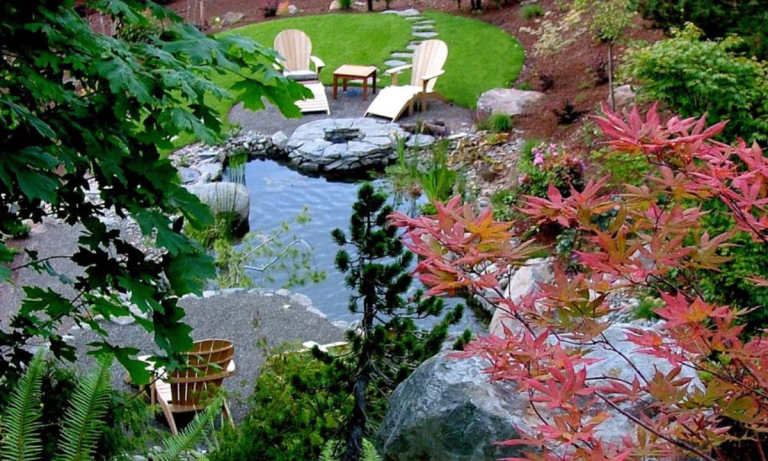
One of the most effective ways to create a healthy and sustainable landscape is to design it in harmony with the local environment. For example, selecting trees, flowers, and shrubs that are native to the PNW is a great way to add sustainability to your Portland landscape.
Native plants look beautiful in the local environment. But they also benefit the natural ecosystem in some key ways:
- They can provide pollen, nectar, and seeds to sustain local wildlife.
- They don’t require fertilizer and tend to only need minimal pesticides compared to non-native plants.
- They help reduce air pollution by capturing or removing carbon from the air.
- They provide natural habitats for local wildlife, which encourages biodiversity.
4. Recycled, Locally Sourced Building Materials
When we think of sustainable landscaping, we typically think of strategies to preserve the living environment, which consists of trees, shrubs, flowers, ground coverings, and other plant life. But the manmade features in your landscape can also affect the sustainability of your project.
Consider using locally sourced, recycled materials to create your garden structures, outdoor living areas, pathways, borders, decks, and other landscape features. Not only are you helping the environment by reusing materials, but it can also help support the local economy. Our designers can also help you find creative ways to repurpose materials already in your home, saving you money while conserving natural resources.
5. Edible Gardens
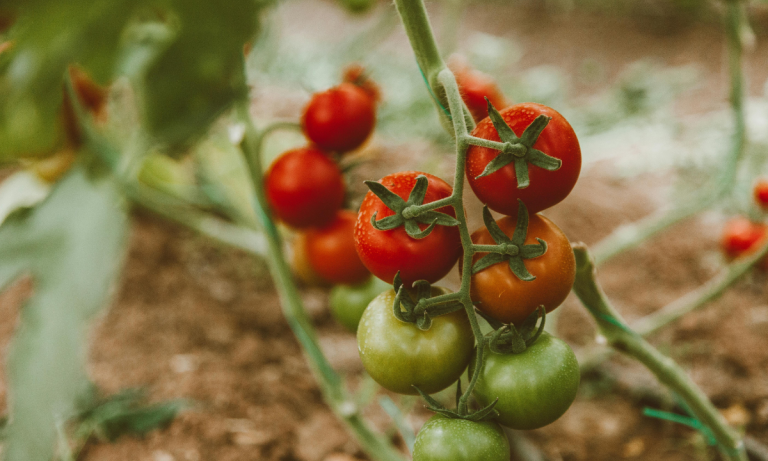
Growing fruits, vegetables, and herbs in your backyard can provide healthy, fresh produce for you and your family. Edible gardening is a sustainable practice that benefits the environment in a number of ways:
- It contributes to urban greening, which improves air quality.
- It helps minimize the need for commercial farming, which reduces carbon emissions.
- In the same way, it also limits the use of pesticides and fertilizers.
Examples of healthy vegetables that thrive in Portland and the rest of the coastal PNW include:
- Asparagus
- Beans
- Broccoli
- Cauliflower
- Carrots
- Corn
- Eggplant
- Onions
- Peppers
- Potatoes
- Pumpkins
- Tomatoes
6. Permeable Hardscapes
Permeable hardscaping is a lesser-known sustainable landscaping technique that can have a big impact on the environment. Traditional solid hardscapes such as concrete slabs and mortared patios prevent water from naturally soaking into the ground, which can contribute to polluted runoff.
Permeable hardscapes are a green alternative, designed to allow water to soak into the underlying soil. Examples of permeable hardscapes include:
- Pervious concrete
- Porous asphalt
- River rock
- Decorative gravel or crushed stones
- Turfstone pavers
- Permeable brick
7. Vertical Gardens
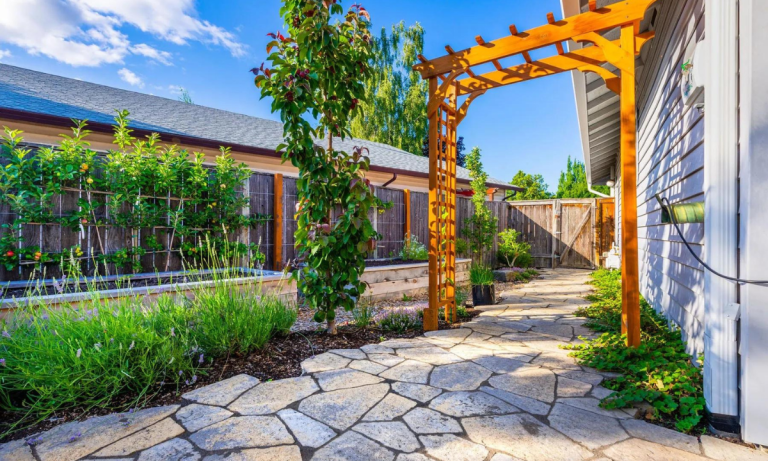
Vertical gardens, also called “living walls” or “green walls”, are designed to allow plants to grow vertically.
This innovative solution contributes to urban greening, which helps fight the effects of climate change and can improve public health in cities. Vertical gardens are especially useful in dense city environments, where horizontal space can be hard to come by. They can also add privacy and noise control to your yard, patio, or balcony space.
Examples of vertical gardens include:
- Trellises: You can grow vines and other climbing plants such as ivy, jasmine, or wisteria on trellises, creating a natural plant wall.
- Modular panels: These prefabricated panels are designed to be mounted on walls and fences, and have dedicated slots for planting.
- Pocket planters: You can incorporate wall-mounted individual planters (usually made from plastic or fabric) onto an outdoor wall or fence for the purpose of growing flowers, herbs, or small ornamental plants.
8. Wildlife-Friendly Gardens
Wildlife gardens help sustain the health and beauty of the local environment by encouraging biodiversity. You can tailor your wildlife garden to the kinds of critters and creatures you want to welcome into your space.
Examples of wildlife-friendly garden ideas include:
- Birdhouses, birdbaths, and bird feeders
- Ponds and water features to support amphibians and other aquatic animals
- Flowers that attract bees, butterflies, and other pollinators
Create a Sustainable Landscape in Your Own Backyard
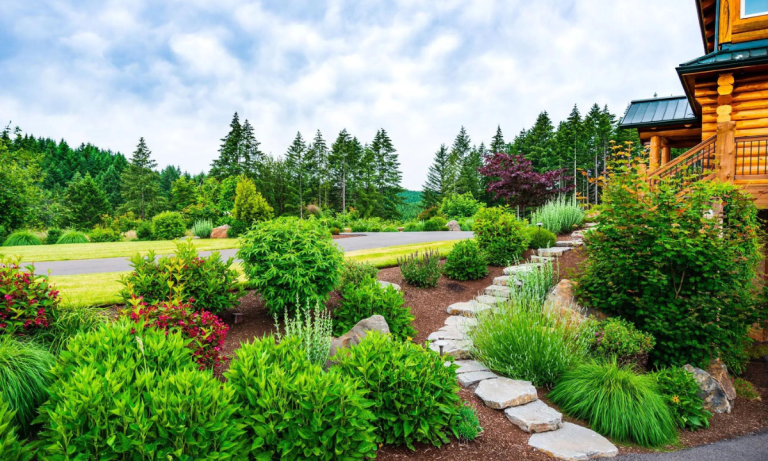
The great thing about sustainable landscaping is that you don’t have to choose between helping the environment and aesthetics. What looks beautiful in your garden also tends to benefit the local ecosystem.
At Blessing Landscapes, our amazing landscape designers love working with homeowners in Portland and SW Washington to create beautiful, sustainable outdoor spaces that are also designed to suit our client’s lifestyles. We can’t wait to hear about your ideas and help you transform your garden.
Browse our project gallery to see examples of our work, and contact us to connect and get your questions answered!
