
Plant quality is one of the most important considerations in landscaping. Even the most intricate, luxurious landscape design can end up looking dull over time if you don’t choose high quality plants. When you plant healthy trees, shrubs, flowers, and other plant life in your garden, you set yourself up for long-term success.
Quality plants don’t just look great and improve curb appeal. They can also benefit your health and wellbeing. The health benefits of gardening include increased exercise, reduced stress, and improved mood and cognitive functioning. Growing healthy fruits and veggies can also lead to better nutrition.
Keep reading to learn how to choose plants for landscaping projects that will look beautiful and thrive in your garden!
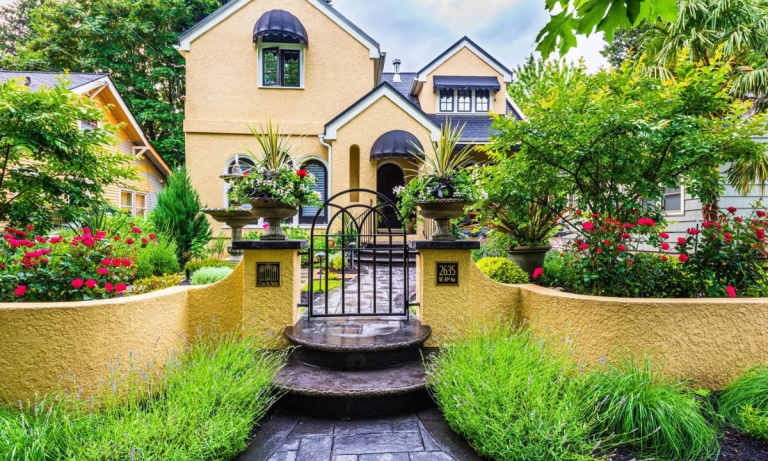
Why Plant Selection is Important in Landscaping
Whether you plan to have a sprawling, lush garden or you simply need a few trees and scrubs to add some greenery, plant selection is a vital piece of the landscaping puzzle.
Thoughtful plant selection can offer a number of important benefits, including:
- Supporting ecological balance (promoting wildlife, limiting water usage, preventing the spread of invasive species, etc.)
- Improving aesthetic appeal
- Providing functional value (edible gardens, privacy and noise control, shade-giving trees, etc.)
- Ensuring the longevity of your landscape
- Increasing pest- and disease-resistance
- Reducing maintenance requirements
- Providing long-term cost savings
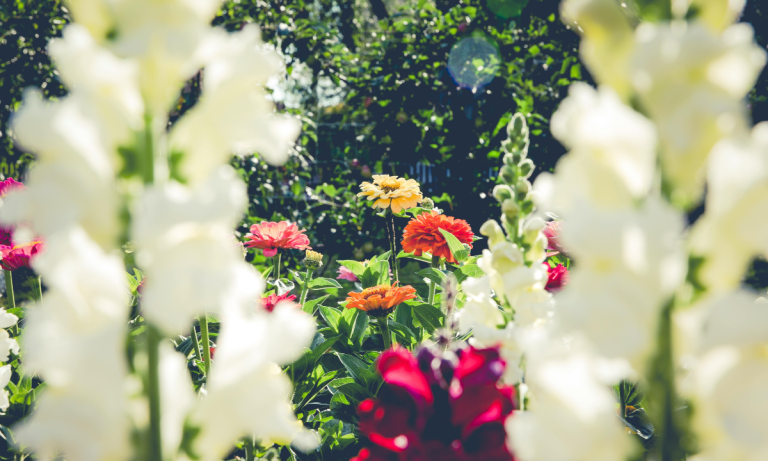
Factors To Consider When Choosing Plants for Landscaping
Local Climate and Sustainability
Selecting plants that are native to Portland can improve local ecosystems, reduce waste and pollution, attract wildlife, and help combat the effects of climate change.
Examples of native plants in Portland include:
- Mock Orange
- Oceanspray
- Evergreen Huckleberry
- Pacific Wax Myrtle
- Douglas Aster
- Bigleaf Maple
Choosing native species that encourage plant and wildlife diversity can contribute to a healthier, more beautiful outdoor space. If you love the idea of attracting birds, pollinators, and other critters to your garden, you could even consider joining the Backyard Habitat Certification program! It’s designed to teach and support local homeowners who are interested in native plants and creating wildlife-friendly landscapes in their own backyards!
Soil Conditions
The health of your soil is essential to ensuring your plants can thrive. Soil differs from dirt because it’s a full ecosystem made of complex nutrients and minerals. The composition of your soil can be a key factor in the growth, appearance, and longevity of your plants.
While Portland’s wet climate can help reduce the need for watering, it can also contribute to erosion. This makes your soil and plants more vulnerable to changing conditions. Erosion prevention strategies are often necessary in landscaping.
Examples include:
- Drainage systems
- Retaining walls
- Grasses and groundcovers
- Rain gardens
- Mulching and composting
Size and Shape
Consider the layout of your yard when choosing plants. If you select plants that are too big or small for their planting area, your garden can end up looking imbalanced – either too empty, too full, or lopsided.
Here are some things to think about when choosing the right plant sizes and shapes:
- Always look at the maximum size of a plant at maturity; some plants may be small when you buy them but grow very large.
- If you want privacy from neighbors, consider opting for tall trees and hedges.
- Consider which plants you want to act as focal points and which will be filler plants.
- Make sure you understand how much space each plant needs, both for its above-ground foliage and for its root system.
Maintenance Requirements
When choosing plants for your landscape, it’s a good idea to consider your interest and ability to regularly maintain your garden. Some plants require extensive watering, trimming, and fertilizing, while others need very little maintenance.
Unless you have a particularly green thumb and time in your schedule, you may want to try to reduce maintenance requirements.
You can do this by:
- Opting for low-maintenance plants to reduce labor and associated costs
- Hiring professional landscapers for seasonal maintenance
Growing and Blooming Seasons
Think about your gardening goals for each season. Do you want to create new and different color combinations as the seasons change? Looking to create year-round color? Hoping to have delicious home-grown fruits and veggies to cook with throughout the year?
Understanding how growing and blooming seasons work helps you create a cohesive, beautiful garden that suits your lifestyle and priorities. Check out Portland Nursery’s Perennial Bloom Calendar and Veggie Planting Calendar to get you started!
Appearance
Just like with interior design, everyone has their own personal style when it comes to the appearance of their outdoor spaces. Some people like a cleaner, more uniform look. Others prefer a more lush, natural, and diverse garden.
There are no hard and fast rules when it comes to landscape design, although there are some important principles to follow:
- Think about the color story you want to tell with your plants, and how this story might change throughout the year.
- Consider how your plants will look with the manmade features in your yard, which might include decks, patios, pathways, covered structures, outdoor furniture, and water features.
- Determine whether or not you want to include outdoor lighting, and how this might impact the appearance of your plants at night.
Aroma
Your sense of smell may have a bigger impact on your daily life than you know. Surrounding yourself with nice, claiming scents has the power to improve mental health, reduce stress, and increase productivity.
What better way to get the benefits of aromatherapy than with an aromatic garden? Choosing nice-smelling plants can help create a full sensory experience. It can also attract birds, pollinators, and other wildlife to your property.

Tips for Buying High Quality Plants
Look for Sturdiness
When browsing plants at your local garden center, check for firm, sturdy stems and avoid plants that appear fragile or spindly. Look for signs of new growth, such as fresh, rich-colored leaves and buds that indicate a plant is healthy and growing. Also look for a full and balanced shape and avoid lopsided plants.
Check for a Healthy Root System
Unfortunately, It isn’t always possible to evaluate a plant’s root system, depending on how it’s displayed. But it can tell you a lot about plant health. If possible, try to feel the pot to determine if the roots are evenly distributed. Avoid plants with roots that feel hard and compacted or those with roots growing out of the bottom of the pot.
Prioritize Plants With Healthy Foliage
You should always look closely at the leaves, blossoms, and branches on a plant before you buy it. This is one of the best ways to evaluate the health and long-term viability of a plant.
Opt for plants with dense, pigmented foliage and avoid those with spots, blotches, holes, wilting, or other signs of pests or disease
Choose a Reputable Local Nursery or Garden Center
Garden centers aren’t all created equal. As you browse local nurseries, look for the following:
- Plants that are labeled (and labeled correctly)
- Healthy-looking plants
- Well-organized shelves
- Knowledgeable staff
- A wide selection of plants
- Good customer reviews
- Established relationships with local landscaping companies
Consider Your Entire Landscape Design
The plants you choose are part of a greater whole. In order to create a cohesive, beautiful, and functional outdoor space, you want to select plants that complement your entire property and work in harmony with the other features in your landscape.
Work With an Expert
Professional landscapers have in-depth knowledge of plants and how to select them for individual garden designs.
If you’re just planting a few flowers, you can probably get the advice you need from staff at a reputable garden center. But if you’re planning a larger landscaping project, working with a landscape designer can help ensure you choose plants for your space that will look beautiful now and for years to come.

Create a Beautiful Garden with High Quality Plants and Landscape Features
The plants you choose for your outdoor space is a deeply important part of the landscaping process. Selecting the right plants depends on a variety of factors, including your practical needs, aesthetic preferences, and the layout and composition of your yard.
By working with experienced professionals, you can ensure that the plants in your garden are perfectly tailored to your landscape design. At Blessing Landscapes, we work with homeowners throughout the greater Portland area to plan and implement personalized landscape designs and source quality plants from our local nursery partners to ensure a thriving and beautiful landscape tailored for you!
Contact us today to tell us about your project and learn how we can help you create the outdoor spaces of your dreams.
